A Comprehensive Guide to Oral Contraceptive Pills (OCPs): Types, Indications, Benefits, and Side Effects
Oral Contraceptive Pills (OCPs) are a widely used form of contraception that provides effective birth control when taken correctly. With various types of OCPs available on the market, it is essential to understand the classification, indications, benefits, and potential side effects associated with each type. In this comprehensive guide, we will explore the different types of OCPs, their indications, benefits, and side effects to help you make informed decisions about your contraceptive choices.
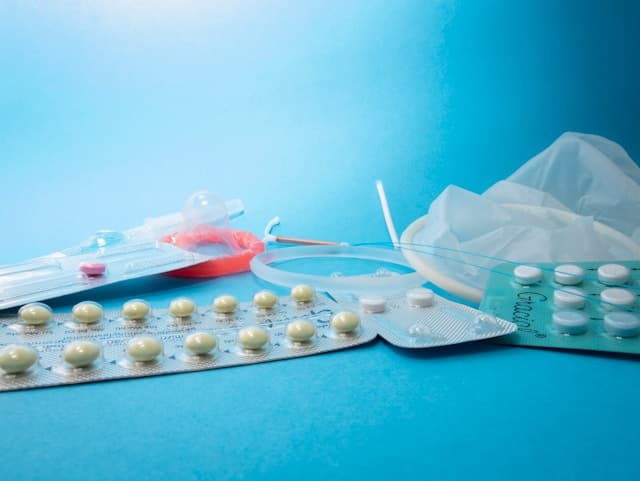
Introduction:
Oral Contraceptive Pills (OCPs) are a widely used form of contraception that provides effective birth control when taken correctly. With various types of OCPs available on the market, it is essential to understand the classification, indications, benefits, and potential side effects associated with each type. In this comprehensive guide, we will explore the different types of OCPs, their indications, benefits, and side effects to help you make informed decisions about your contraceptive choices.
Classification of OCPs:
OCPs are classified based on the hormones they contain, primarily progestin and estrogen. The most common types of OCPs include:
1. Combination Pills: These OCPs contain both progestin and estrogen hormones.
2. Progestin-Only Pills (Mini Pills): These OCPs contain only progestin hormone.
Indications for Different Types of OCPs:
1. Combination Pills:
- Levonorgestrel-ethinylestradiol (Levlen, Eleanor, Evelyn, Femme-tab, Microgynon, etc.): This combination is one of the most commonly prescribed OCPs. It is used for contraception and may also help regulate menstrual cycles and reduce menstrual cramps.
- Cyproterone-ethinylestradiol (Brenda, Estelle, Diane, etc.): This combination is often prescribed for acne treatment, hirsutism, and contraception. It may also be used to manage conditions like polycystic ovary syndrome (PCOS).
- Drospirenone-ethinylestradiol (Yasmin, Yaz, etc.): This combination is known for its minimal water retention effects and may be prescribed for premenstrual syndrome (PMS) relief, acne treatment, and contraception.
2. Progestin-Only Pills:
- Slinda: Progestin-only pills like Slinda are suitable for women who cannot take estrogen-containing OCPs due to medical reasons. They are often recommended for breastfeeding mothers and women who are sensitive to estrogen.
Benefits of OCPs:
- Effective Contraception: OCPs are highly effective in preventing pregnancy when taken correctly.
- Menstrual Regulation: Some OCPs can help regulate menstrual cycles, reduce menstrual cramps, and manage heavy periods.
- Acne Treatment: Certain OCPs are beneficial for managing acne and improving skin health.
- Hormone Regulation: OCPs can help regulate hormonal imbalances and manage conditions like PCOS and PMS.
Side Effects of OCPs:
- Nausea: Some women may experience nausea when starting OCPs, but this usually improves over time.
- Headaches: OCPs may cause headaches in some individuals, which can be managed with proper hydration and rest.
- Breast Tenderness: Breast tenderness or swelling may occur initially but typically resolves with continued use.
- Mood Changes: Some women may experience mood changes while taking OCPs, such as irritability or mood swings.
Conclusion:
Oral Contraceptive Pills are a safe and effective form of birth control with various types available to suit individual needs. Understanding the classification, indications, benefits, and potential side effects of different OCPs is essential for making informed decisions about contraception. Consult with a one of our healthcare providers to determine the most suitable OCP for your needs and discuss any concerns or questions you may have regarding OCP use. Remember, contraception is a personal choice, and it is essential to choose a method that aligns with your health goals and preferences.